
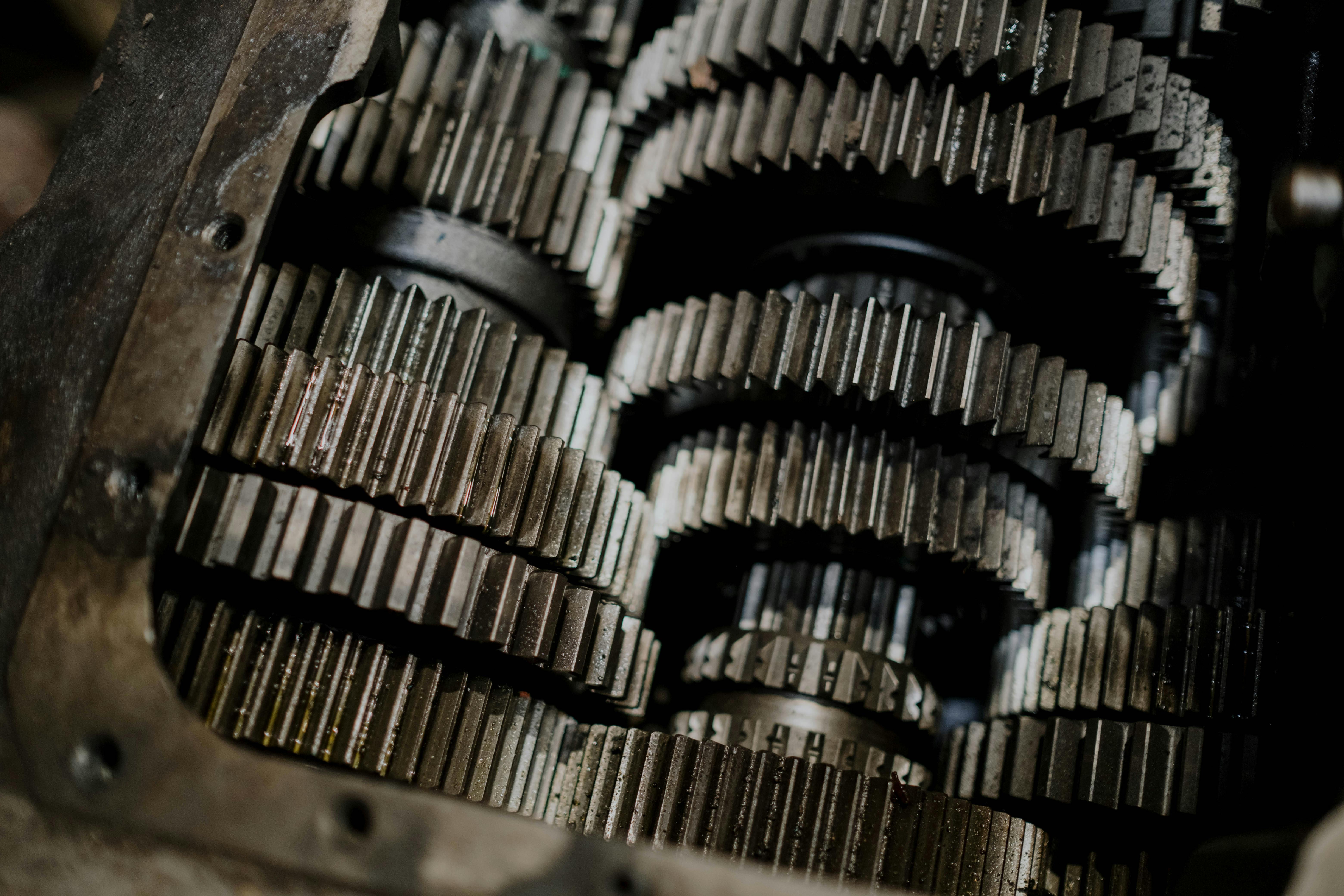
Many drivers don’t think twice about an engine oil change. However, they rarely accord the same level of attention to what is actually putting power to the wheels. Your automatic gearbox is at work behind the scenes on every drive. Being a hardworking piece of machinery, it requires regular service to do its job properly.
The service interval varies
Ask how often your transmission needs to be looked after, and you won’t get a one-size-fits-all answer. It comes down to:
- Your vehicle
- Your driving habits.
Most manufacturers recommend from 60,000 to 100,000 miles. But this varies depending on the car’s:
- Make
- Model
- Fluid in question.
Some will even tell you their fluid is a “lifetime fill” and doesn’t need changing. But an experienced automatic transmission specialist will tell you that that rarely holds in real-world conditions. Especially for cars used to:
- Towing
- Transporting heavy loads
- Dealing with stop-start city traffic.
Treat the maker’s recommendation as a guideline. However, it should not be an absolute rule, given how quickly driving conditions can cause wear.
Your driving conditions matter
How you drive affects how fast the fluid and the parts inside wear. City driving involves a lot of shifting cycles. Therefore, it generates more heat than a steady run on the highway. So, it is much tougher on the unit.
Some cars are simply harder on their transmissions. A performance car or a Four Wheel Drive you like to take off-road will see more heat and stress in normal use than a passenger car being driven gently around town.
Throw in conditions like:
- A trailer
- Towing heavy loads
- Very hot weather.
You are adding stress to the system and breaking the fluid down faster. For those in these higher-demand categories, you should be looking to service well before the standard interval is up. Perhaps somewhere in the 30,000 to 60,000 miles.
Signs you need a service sooner than scheduled
Then there are the symptoms you can’t ignore. If:
- The fluid is dark
- Has a burnt smell
- Is running low
- The service is past due.
The same applies when you notice:
- A rough or hesitant gear change
- Some odd noises
- A delay when you switch from drive to
These are all indications that the fluid is aging. It means that it is no longer protecting the internal parts.
What a proper service really consists of
A comprehensive service is more than just adding more fluid. It usually entails:
- Emptying the old fluid entirely
- Changing the filter if necessary
- Checking for leaks or wear on the gaskets and seals
- Replenishing with the appropriate fluid type for that specific machine.
Different formulations are made for different friction and viscosity needs. Using the incorrect fluid type can be just as damaging as completely skipping the service. For automatic transmission cars, use the right specialist. Someone who is familiar with the car’s unique needs.
The final take
When it comes to gearbox maintenance, there isn’t a single figure that works for all cars. But know your manufacturer’s baseline suggestion and make an honest adjustment based on your driving style and location. This will give you the most accurate picture of what your car really requires.
